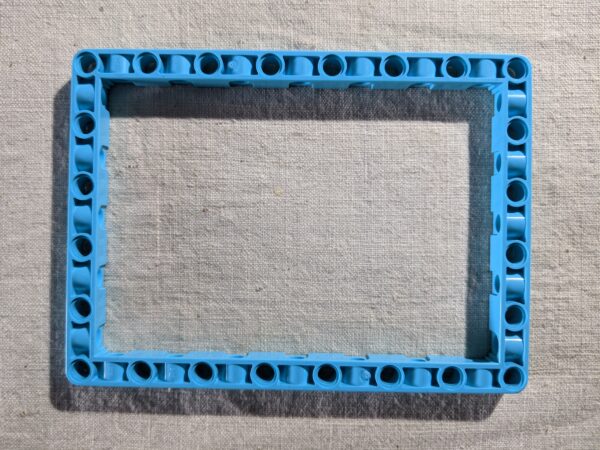
Recently I have purchased a second-hand LEGO set only to find some large, rare (as in: expensive to replace) parts WARPED.
I searched the net and found several threads where people reported on similar issues, but no good solution. So I have put my experience with plastics to work and found an easy fix.
So you flip the LEGO switch on your LEGO Railroad system and… nothing happens. Or the switch moves half-way and stops.
There is a post here: https://bricks.stackexchange.com/questions/11141/lego-track-switch-doesnt-close-properly describing what I was facing recently. I found a better solution than described there and a more permanent fix.
A lot was posted all over the internet about capturing HDMI output and whether CamLink is worth its $120 price tag since there are $20 alternatives out there. Trying to decide for myself I googled around and all I found were discussions on image/video quality, like this very informative video from Tech Audit TV:
What this (and similar videos) don’t go into, but what is as important, is what these dongles really do, because that’s where the rub is.
TL; DR
Elgato Camlink 4k
China HDMI to USB dongle
does not do scaling of image
scales image to set size
passes through raw data stream
compresses data stream to MJPEG
PC side needs to process data rate at resolution and fps the camera sends it
PC side can request data at lower rate (resolution, fps)
Provides the actual camera fps
Provides own fps, you can select from a list, but for non-standard ones you are at loss
Lego has released their Classroom app for Windows/Android. Which is great, as now you can actually do some serious programming on your Android tablet (previously you had to go for a full-fledged Windows system to get variables, custom blocks etc. pp.). And you get a scratch-like programming interface, which is helpful as Scratch is sort of beginner-standard in learning to code. However, this works only as long, as the software works as expected. Which it doesn’t.
Lego Powered Up is a mixed bag of features. There are some great ideas and many not that great. I sometimes wonder, if the app gets any sort of testing before being released to the public. It gives me the impression of something quickly nailed together and shoved out of the door without any QA.
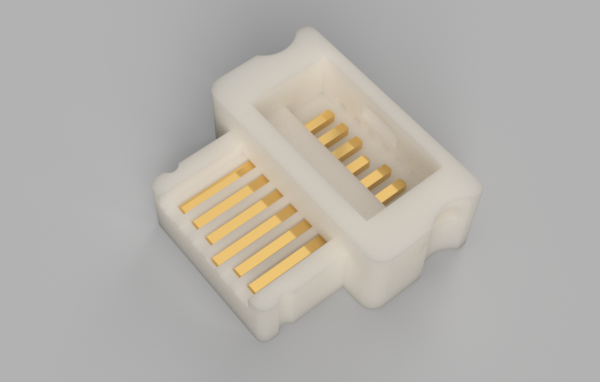
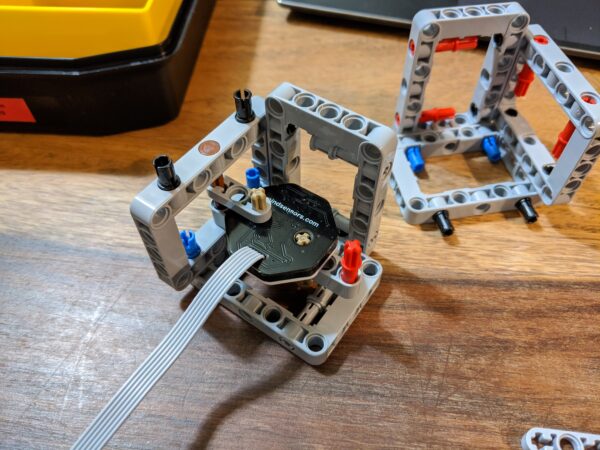
Recently (years, not decades) LEGO introduced a new family of motors, sensors and control system – it was and is a bit confusing, but whether you think of LEGO WeDo, Control+, Powered Up, Spike Prime or the new Mindstorms 51515 it is all based around common backbone and, especially, a common connector – a 6-pole non-stackable plug.
Which, by sheer coincidence naturally, is completely incompatible with the old Power Functions connector from LEGO, who also claimed not to intend to manufacture an adapter cable because reasons.
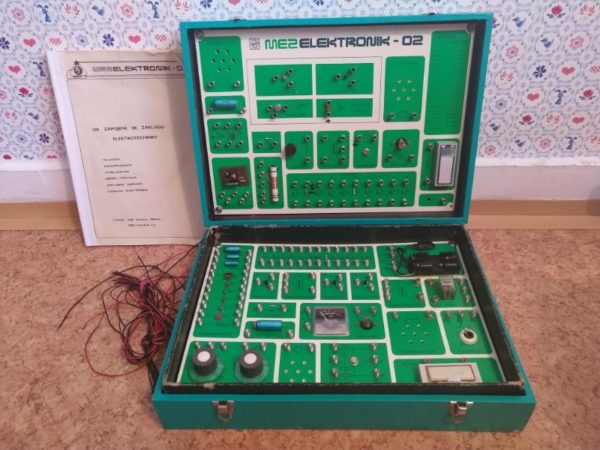
MEZ Elektronik ME2, wersja w drewnianej skrzynce (foto z internetu, autorka M. Ivanciva)
Elektronik ME2 to fantastyczny zestaw do nauki o podstawowych elementach elektronicznych, produkowany w latach 80-tych w Pradze czeskiej przez MEZ.
W dzisiejszych czasach próżno szukać podobnej klasy zestawu w równie przystępnej formie. Walizeczki pojawiają się od czasu do czasu na allegro, częściej na aukro.cz, wydać trzeba około 200pln na egzemplarz w dobrym stanie. PoniewaĹź często brakuje instrukcji (albo jest tylko czeska) umieszczam tutaj skany zarówno polskiego (bardzo marnej polszczyzny) tłumaczenia, jak i czeskiego oryginału. Czeska wersja jest do zestawu z magnetoelektrycznym wskaĹşnikiem (zdjęcie), polska – do zestawu z linijką LED, poza tym generalnie nie powinno być różnic.
Obie wersje wykopał w internecie mój brat, za co mu serdecznie dziękuję.
UPDATE: w tzw. międzyczasie zadałem sobie trud przepuszczenia polskiej wersji przez OCR i skorygowania do zgodności z oryginałem. Zostawiłem wszystkie błędy językowe, literówki, błędy maszynistki itepe, ku pamięci.
Als Warnung falls jemand sich bei Paulimot verirren würde:
Ich habe vor einem Jahr bei Paulimot dieses Bohrfutter gekauft. Soll präzise laufen, 1-16mm spannen können und günstig sein. Wie immer – von den drei kannste zwei auswählen.
Von Anfang an hat das Teil einen mäßigen Rundlauf gehabt, zwar gut für ein 0-8-15 Bohrfutter, aber immerhin so nach Gefühl im Bereich 0.1mm (ich habe leider bei neu nicht gemessen). Jetzt, nach einem Jahr Gebrauch, wackeln die Backen, das Ding spannt kurze Schäfte (wie ein Zentrierbohrer ∅1mm nach DIN 333, Schaft ∅3.15 l=20-25mm) nicht zylindrisch, weil die Backen nach Außen kippen und sind auch so beweglich, dass man allein durch zurückdrücken einzelnen Backen einen guten Rundlauffehler verursachen kann – was man komplett unbeabsichtigt macht, wenn man einfach den Bohrer beim Einspannen festhält.
Im Video gehe ich erst auf die Beschaffenheit des Bohrfutters ein und seine positiven Seiten, dann ab ca. 5:30 demonstriere ich die Rundlaufmessungen und Spannfehler, die nach einem Jahr gebrauch in meiner Hobbywerkstatt durchgeführt worden sind. Auch wenn man davon ausgehen würde, dass das Teil absolut i.O. am Anfang war, ist 1 Jahr Lebensdauer – und zwar im gelegentlichem Hobbybereich – sehr wenig.
Gewährleistung wurde vom Paulimot abgelehnt,
“da sehr starke Gebrauchsspuren auf dem Artikel hinterlassen sind. Außerdem ist der Artikel bereits schon über 14 Monate in Gebrauch und ist somit außerhalb unserer Kulanzzeit.”
Na gut, ich gebe zu, ich habe das Teil auch über das Jahr im Gebrauch gehabt. Ich gehe jetzt auch nicht vor Gericht wegen einem 50€ Futter, aber Konsequenzen für mich ziehe ich schon – vor Allem, wenn ein Röhm Spiro SK zwar das doppelte kostet, aber dann auch locker mehr als das doppelte hält.
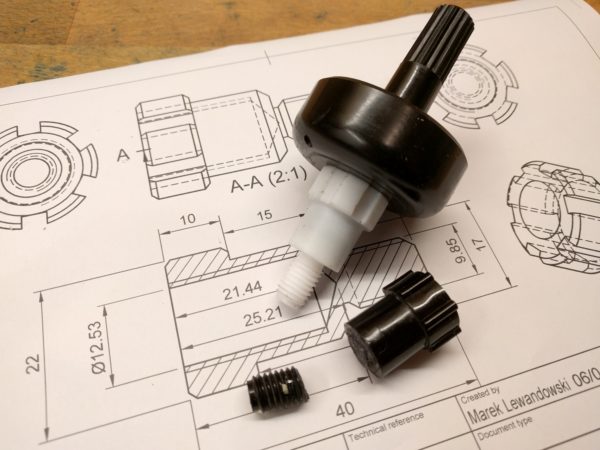
So, the infamous Lomo UPB-1A upper spool shaft / bolt /screw…
It failed, didn’t it? The M10 screw snapped off at the stem right away and there’s no glue that will hold. Known issue.
There are two fixes known to me, one is botching the job, is rather easy, but will fail some time soon. The other solution is to manufacture a replacement, but it is a bit more trouble.